SonicNEST™
Meets Laraaji
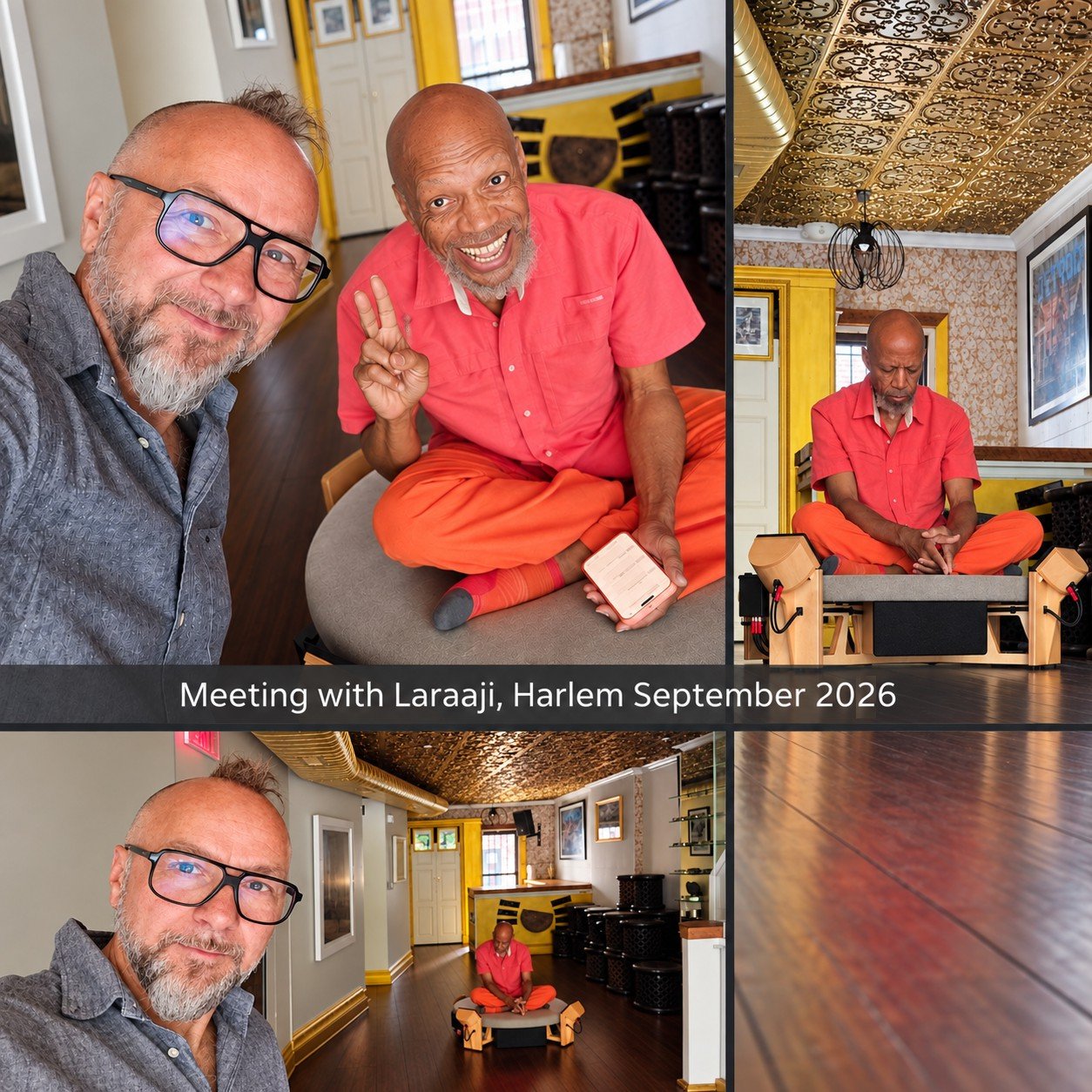
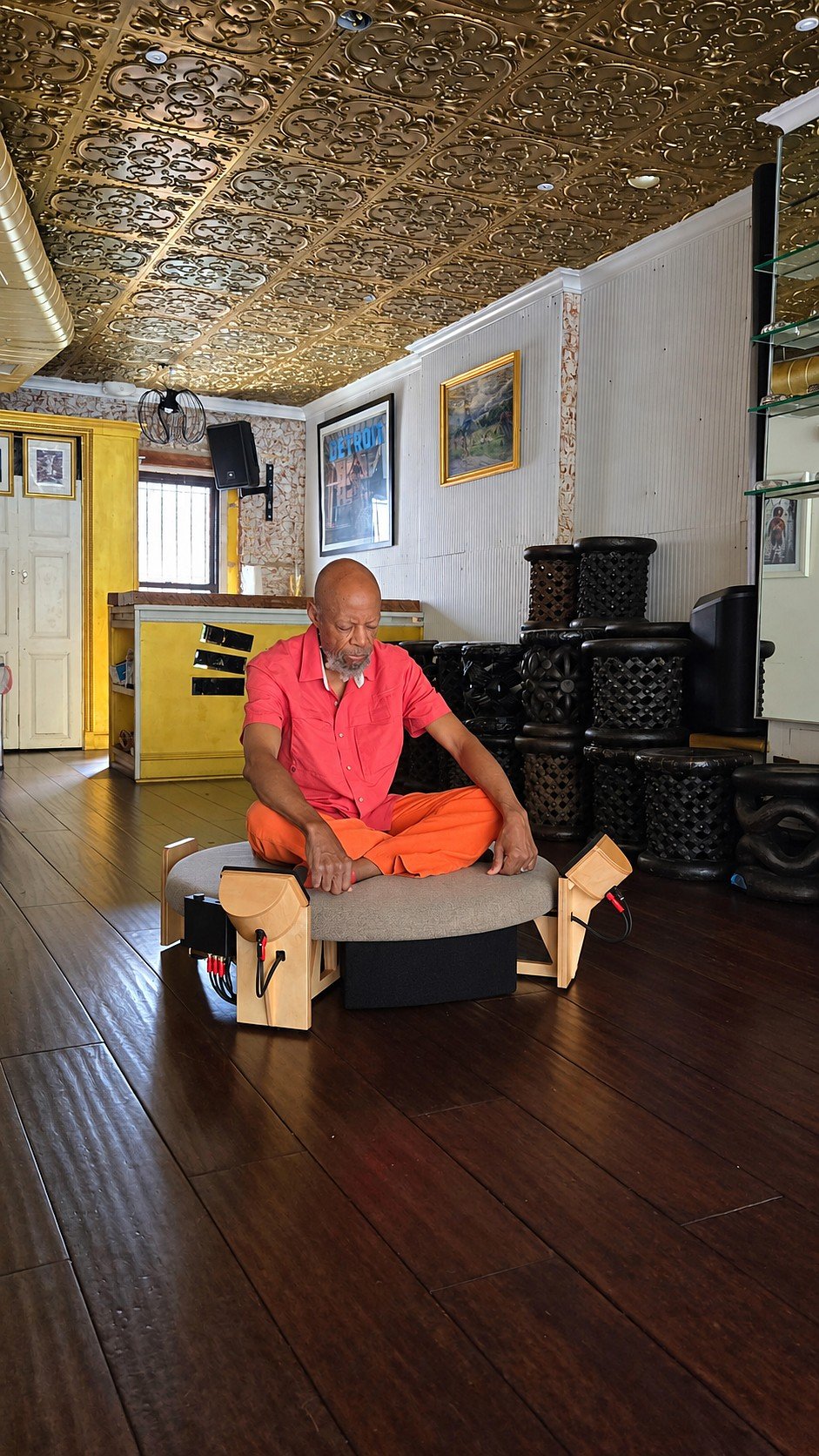
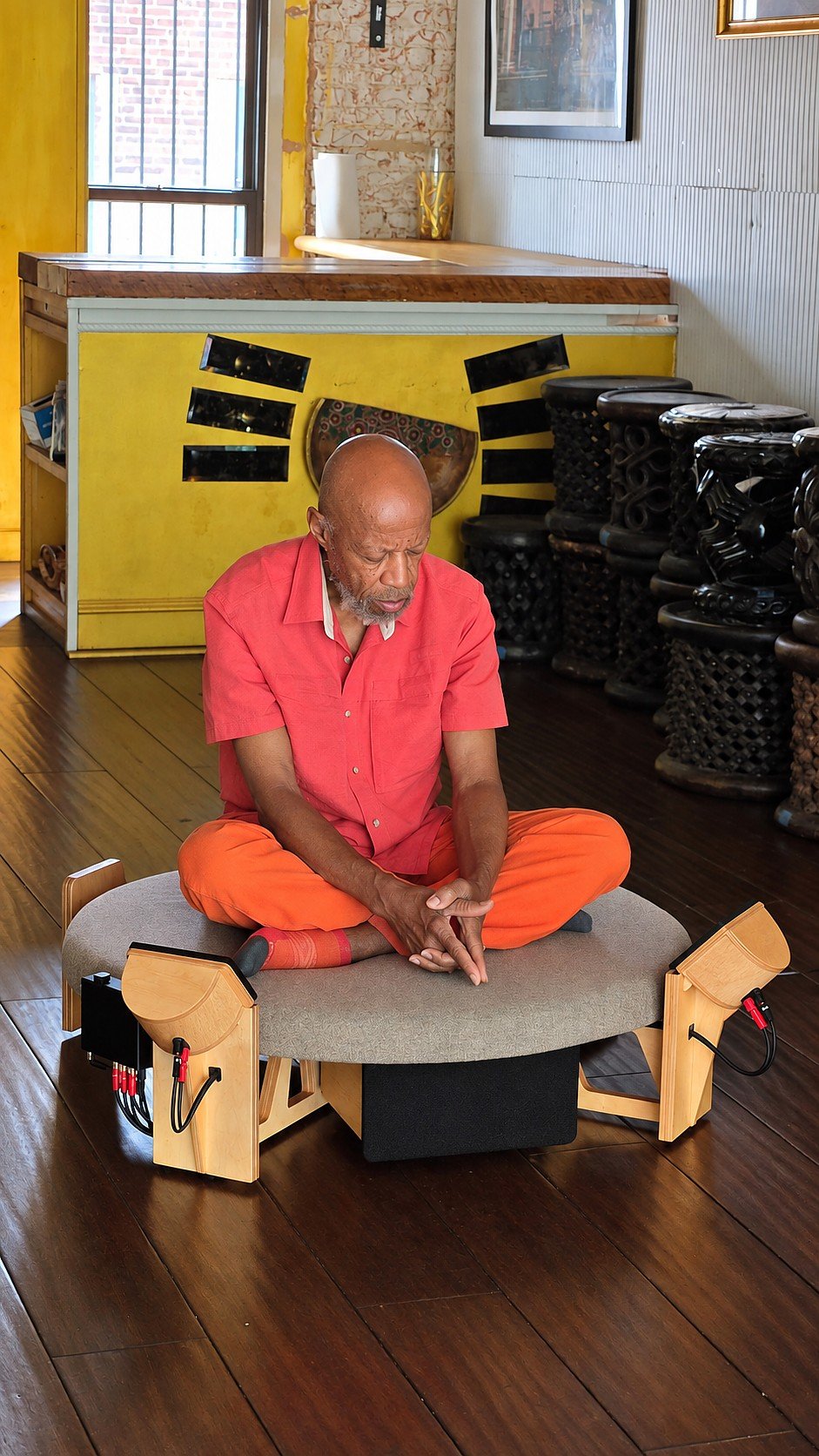
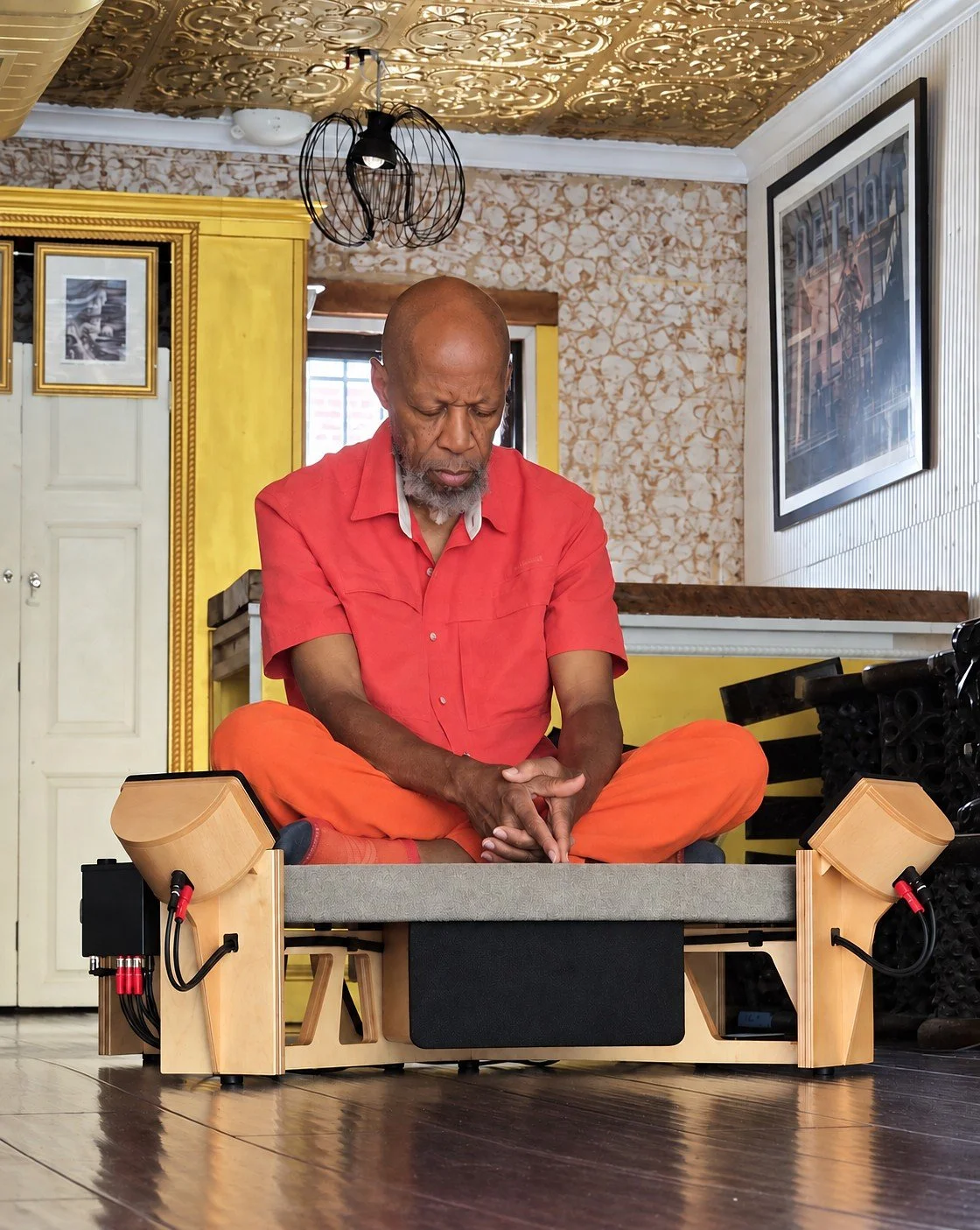
In September 2026, SonicNEST™ met Laraaji in Harlem, New York, for a private deep listening session exploring immersive audio, body-felt sound, vibroacoustic experience and creative playback.
Laraaji is a New York-based musician, ambient artist, mystic and laughter meditation practitioner - one of the artists who helped shape modern ambient music. His landmark collaboration with Brian Eno brought his radiant zither-based sound into the heart of the ambient movement, making his perspective especially meaningful for SonicNEST: a listening environment created around sound, vibration, presence and the physical experience of music.
From Ambient Music to Harlem NYC
Music has always been a central part of the SonicNEST journey - not only as entertainment, but as a path to deep listening, immersive audio, body-felt sound and meditative presence.
During the development of SonicNEST, I explored many soundscapes: guided meditations, classical works, electronic textures, rock, metal, industrial music, pop, ambient compositions and familiar songs that people already know and love.
Yet ambient music emerged as one of the most natural matches. It aligns closely with what SonicNEST was built to be: a dedicated space for spatial presence, immersive sound and the slow, body-level experience of acoustic vibration.
This path eventually led me to Laraaji - an artist deeply connected with ambient music, sound meditation, spiritual presence and immersive listening, whose creative relationship with Brian Eno helped introduce his work to a wider ambient music audience.
Seeking Sincere Feedback: The Journey to Harlem
For me, reaching out to Laraaji was not merely about contacting a recognized artist. It was about asking someone deeply rooted in meditative sound, ambient music and creative listening whether SonicNEST made sense from his perspective.
When I learned he was based in Harlem, New York City, a meeting suddenly felt possible. Among the artists and creators I contacted during this stage of the SonicNEST journey, Laraaji responded with exceptional warmth, sincerity and generosity.
Arriving in Harlem with SonicNEST - a project born from nearly three decades of working with sound, vibration, acoustic comfort and listening - felt like a deeply symbolic moment.
Before our session, I arrived early. I wanted to feel the place, slow down and enter the meeting with the right presence. I spent time nearby and visited Harlem Shake, a place filled with atmosphere, history, images, signatures and the kind of cultural energy that immediately tells you where you are.
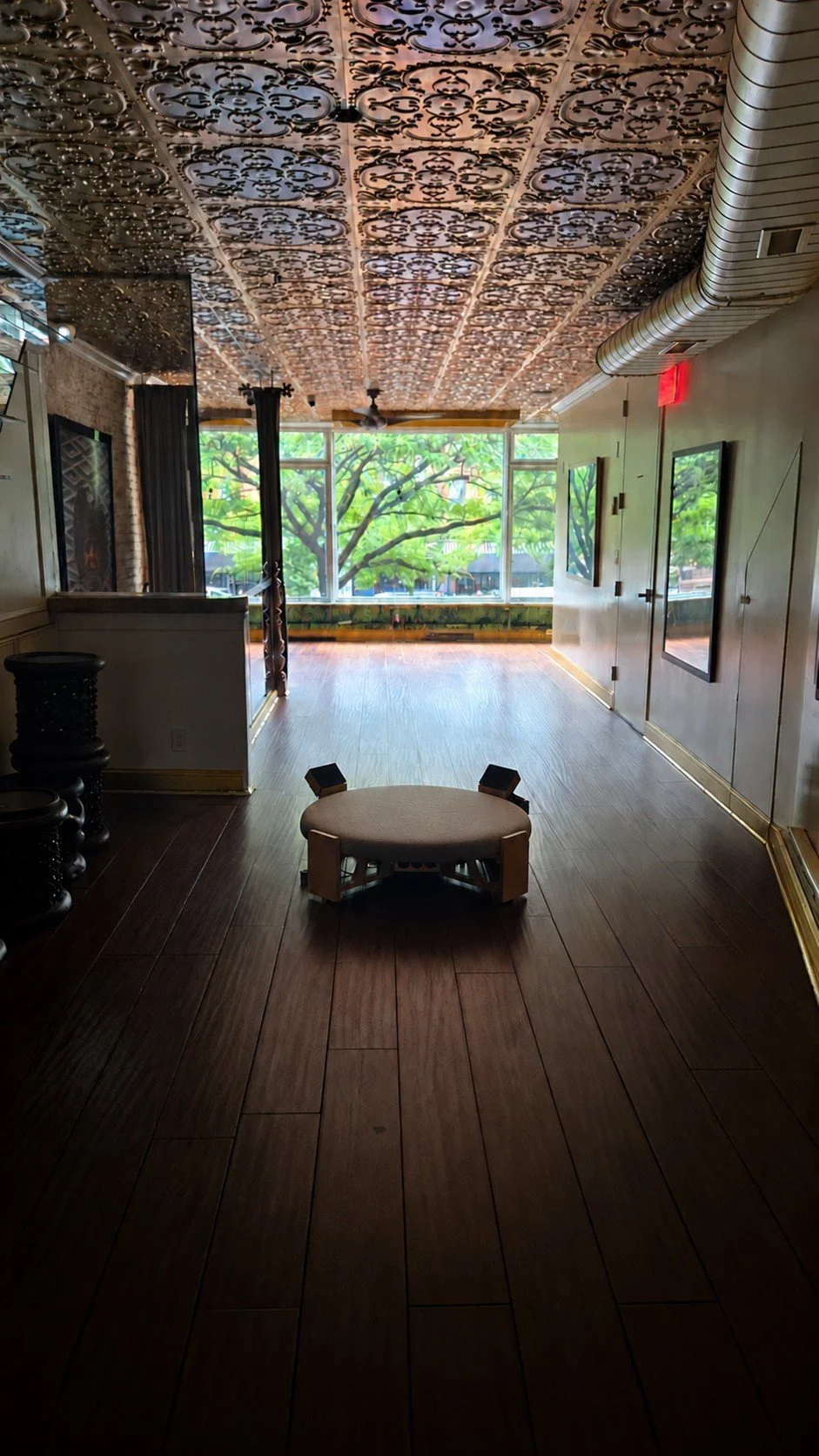
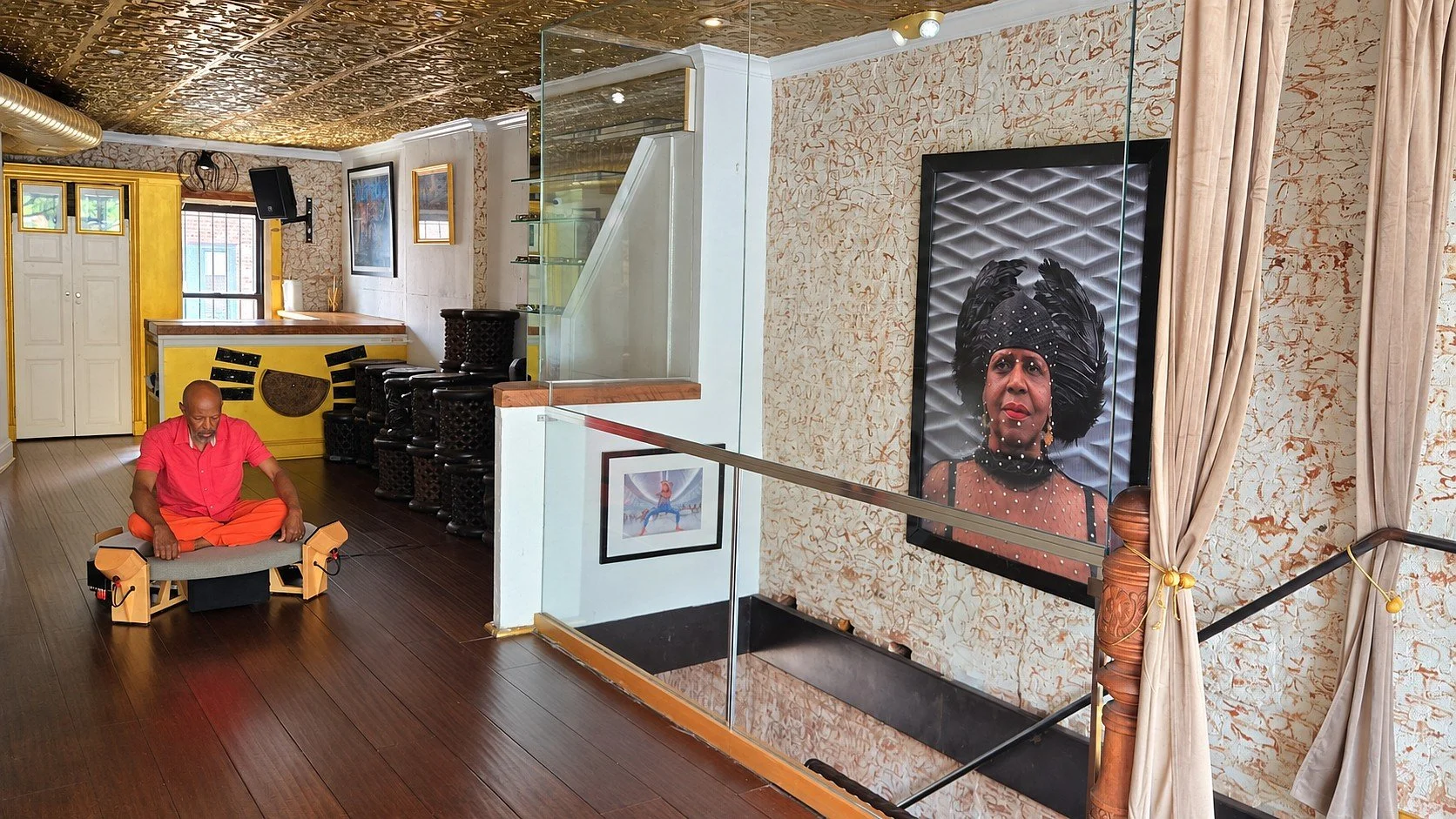
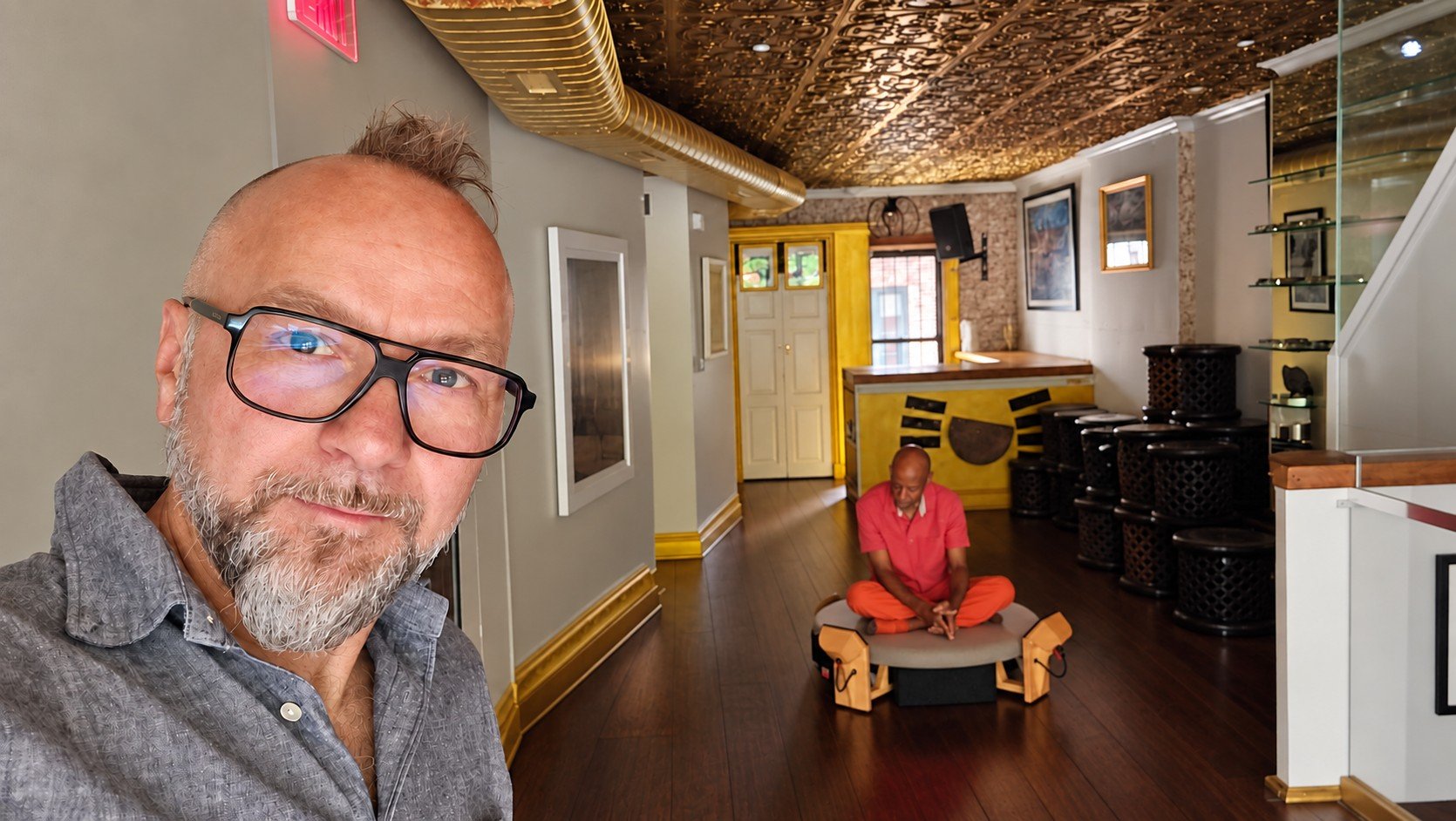
Shortly after, we met nearby at ROKMIL, a creative Harlem space generously made available by Milton Washington for the SonicNEST presentation.
Testing SonicNEST: From Curated Playlists to Live Frequencies
What followed was not a quick demonstration, but one of the most detailed and thoughtful listening sessions SonicNEST has experienced so far.
At first, I played a selection of tracks prepared to show the range of SonicNEST: spatial audio, low-frequency physicality, clarity, emotional presence and the ability to reveal different kinds of music through both sound and body-felt vibration.
Laraaji listened carefully. He was attentive, precise and honest. After the first listening moments, he noticed the clarity, the physical low end and the spacious stereo image:
“Nice, crisp, clean sound. I feel the woofer. I hear the spacious stereo.”
He also recognized the potential of SonicNEST for long-form ambient and drone-based immersion:
“I could hear the potential for this on lots of drone-based immersion.”
Then the session became more personal and more demanding. Laraaji began testing SonicNEST with his own material - different tracks, sound textures, natural sounds and musical fragments from his own listening world. He also used an app on his phone to create live sound and music, exploring real-time frequencies, volume levels and tactile responses directly through the vibroacoustic structure.
This turned the meeting into something much deeper than a standard product presentation. It became a real exploration of how SonicNEST responds to ambient music, drone-based immersion, full-spectrum sound, body-felt vibration, spatial audio and creative playback.
Key Artistic Insights: SonicNEST as a Creative Playback Tool
The session evolved into a collaborative exploration of how body-felt vibration and spatial audio interact with ambient composition, deep listening and creative sound practice.
One of the most meaningful moments came when Laraaji connected SonicNEST with the idea of listening to his own music in a studio context:
“If I were in a studio and I wanted to hear my music played back, I feel like this is an optimal way of experiencing the sound vibrationally, stereo - the immersive listening experience.”
He also noticed how SonicNEST revealed the low end in a way that ordinary listening often does not:
“It made me aware of how much bass, or low-end, I don’t get from my normal hearing experience.”
For me, this observation went directly to the heart of SonicNEST. The experience was never intended to be only about hearing more sound. It was designed to create a deeper relationship between music, vibration, body and space.
Laraaji reflected on SonicNEST through two distinct lenses:
A Personal Listening & Meditation Space - a physical environment for immersive sound, body-felt vibration, presence, relaxation and late-night deep listening.
An Alternative Creative Playback Tool - a body-felt listening reference for artists, sound creators and people working deeply with ambient music, spatial audio and immersive sound.
He also pointed toward possible future contexts: home listening, home theatre, yoga studios, wellness spaces, sound-healing environments and more comfortable future versions designed for longer sessions.
Honest Design Feedback
The session was valuable not only because of the positive response, but also because of the honest feedback.
Laraaji appreciated the sound, the vibration and the immersive quality of the experience, but he also returned to the importance of comfort during longer ambient listening. For deep surrender into sound, posture matters.
“If I could not have the concern about my posture and really surrender to the listening…”
This feedback was important. It confirmed one of the future directions already present in the SonicNEST roadmap: more extended, more comfortable immersion formats, including chair-based or reclined versions for longer listening sessions.
At the same time, Laraaji noticed that SonicNEST was more compact than he had expected:
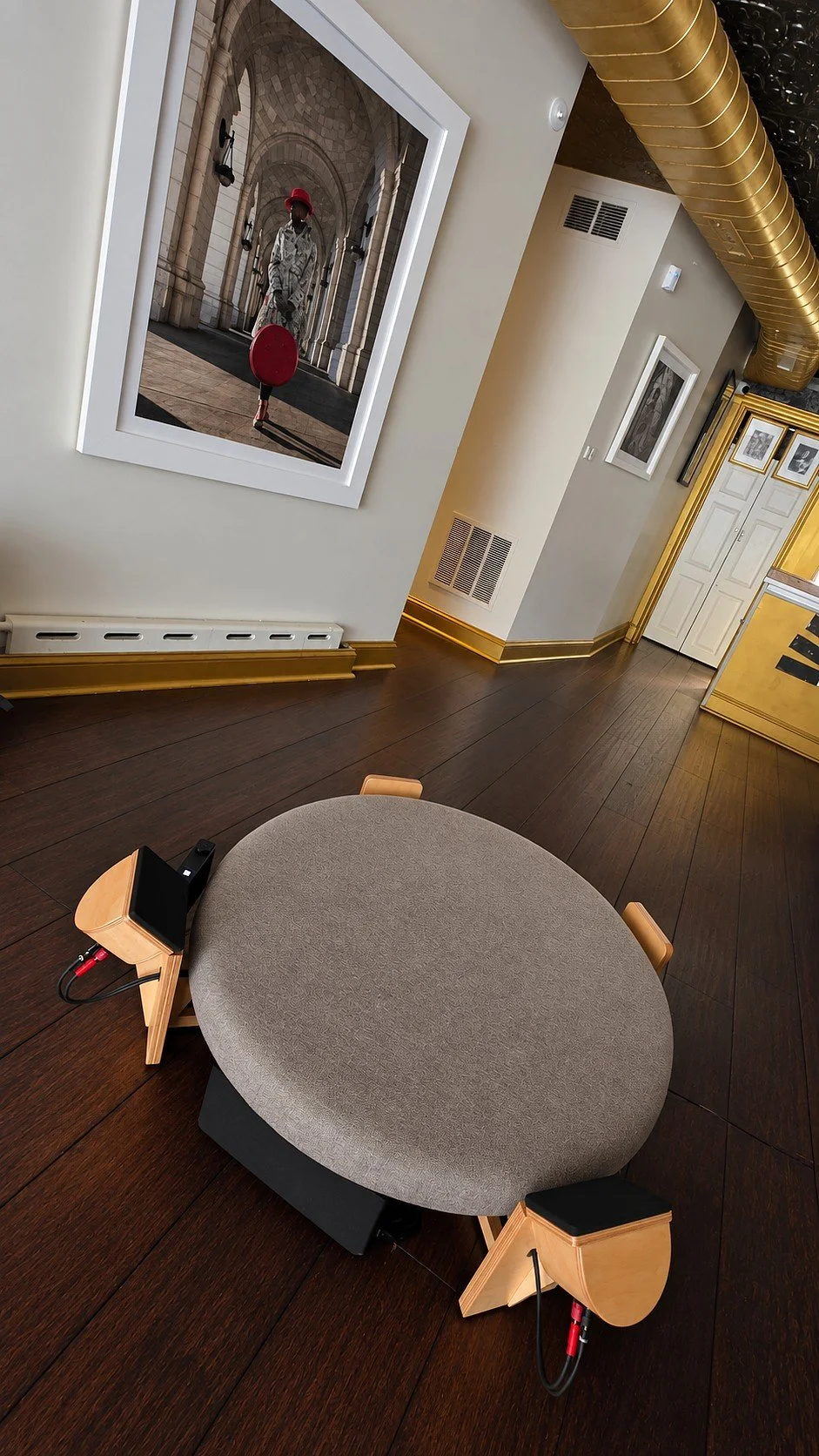
“This takes up less space than I thought.”
He also observed:
“It fits in the corner of a living room.”
For a project that combines immersive audio, vibroacoustic experience and handcrafted physical design, this was an important practical observation.
A Lasting Artistic Observation
SonicNEST met Laraaji’s lifelong sound practice not as a finished answer, but as an open invitation - a new physical space for sound, body-felt vibration, deep listening and creative reflection.
For SonicNEST, this meeting became an important artistic observation: an ambient sound artist testing a body-felt, spatial audio and vibroacoustic listening environment not only for relaxation, but also for creative playback and deep musical immersion.
At the end of the session, Laraaji described the experience simply as:
“Lovely experience.”
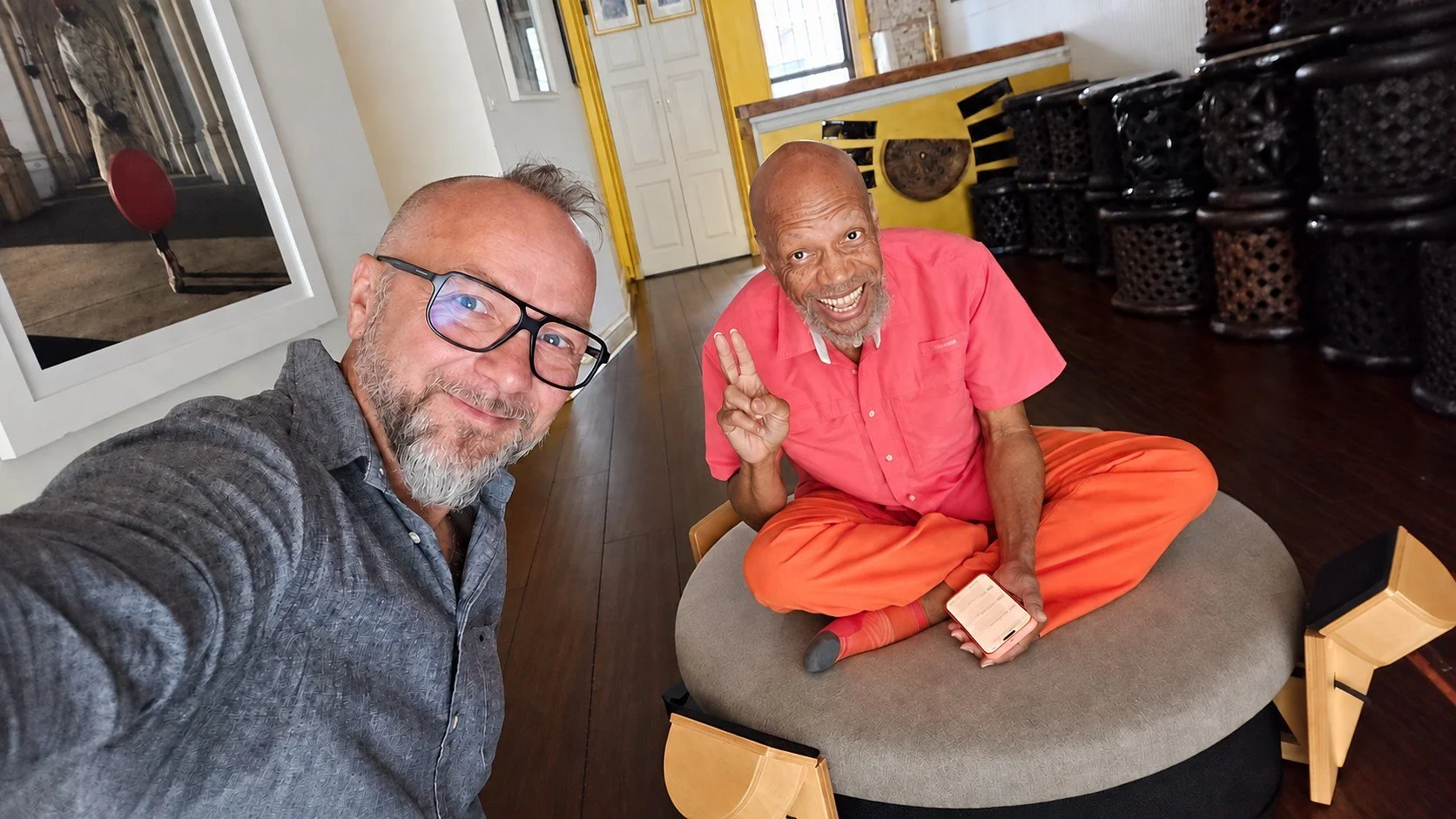
I am deeply grateful to Laraaji for his time, openness, careful listening and generous feedback. I am also grateful to Milton Washington for hosting us at ROKMIL and making this Harlem meeting possible.
Laraaji’s Approved Reflection
After the session, Laraaji shared an approved reflection that captured SonicNEST not only as an immersive listening experience, but also as a possible creative tool for artists working deeply with sound.
“As an immersive sound artist myself, I could easily enjoy using SonicNEST as a valid monitor and for alternative studio playback.”
Read Laraaji’s Complete Reflection →
Meet the artist who shape ambient →
Gallery
Below is a short visual story from the SonicNEST listening session with Laraaji in Harlem - moments from the neighborhood, the ROKMIL space, the listening experience and the conversation that followed.